
Container and air freight options from Turkey to Mexico, the 2026 import duty change, chargeable weight and a worked landed-cost example. Get a quote with Dexpell.ai.
Last updated: October 1, 2026
Shipping from Turkey to Mexico: Which Mode, How Long, What Drives the Cost?
There are two practical ways to move cargo from Turkey to Mexico: container shipping by sea (FCL/LCL) and air freight. By sea, cargo usually routes through Mediterranean and European transshipment hubs to Veracruz and Altamira on Mexico's Atlantic side, or Manzanillo and Lázaro Cárdenas on the Pacific side. Urgent, high-value cargo goes by air to airports such as Mexico City (AICM). This guide explains the cost drivers, how to think about transit time, the 2026 change in Mexico's import duty landscape, and a worked import cost example.
If your dimensions and product details are ready, you can start now: get a Turkey–Mexico freight quote.
Turkey–Mexico Shipping Options
Ocean freight: FCL and LCL
FCL suits machinery, furniture, textiles, ceramics, natural stone and industrial goods that fill a 20' or 40' container. LCL covers smaller, regular volumes that do not fill a container; consolidation and transshipment usually make it slower than FCL. Typical Turkish departure ports include Mersin, the Istanbul area (Ambarlı) and Izmir, chosen by cargo location and sailing schedules.
Air freight
Air freight is used for samples, spare parts, urgent production inputs and high-value goods. Direct flights to Mexico are limited, so most shipments connect via Europe or North America, and timing depends on the connection.
Courier/express and door-to-door
Small parcels and document-sample shipments can move by courier. Larger commercial cargo is planned door-to-door, from the Turkish pickup point to the delivery address in Mexico. See our Courier & Express service page for details.
What Determines Freight Cost?
Freight cost to Mexico depends on the origin city and port, the destination port (Atlantic or Pacific), container type, gross weight and volume, commodity, Incoterm (EXW, FOB, CIF, DDP and others), inland haulage in Mexico, seasonal demand and carrier capacity. Air freight is charged on chargeable weight, whichever is greater of actual and volumetric weight. Fuel, security and terminal charges are added on top.
Market average: ocean and air freight
While preparing this article we could not find a reliable, dated and sourced market average for ocean (per container) or air (per kg) freight on the Turkey–Mexico lane. We therefore do not guess a number. Rates change with lane, week and equipment availability, so a current price comes only from a quote based on your shipment details.
Worked Cost Simulation
The figures below only illustrate the calculation logic; they are not a Dexpell price or quote. For an exact price use Dexpell.ai.
1) Chargeable weight example
Air freight (divisor 6000): take a pallet measuring 120 × 100 × 110 cm with an actual weight of 180 kg. The volume is 1,320,000 cm³, so volumetric weight is 1,320,000 ÷ 6000 = 220 kg. Because 220 kg exceeds 180 kg, chargeable weight is 220 kg.
Courier/express (divisor 5000): a 60 × 40 × 40 cm parcel with an actual weight of 14 kg has volumetric weight of 96,000 ÷ 5000 = 19.2 kg, so chargeable weight is 19.2 kg. We do not publish a courier/express per-kg rate for Mexico yet; pricing is quoted per shipment.
2) Mexico import duty and tax (landed cost) example
Mexico's general import duty (IGI) is calculated on the CIF customs value. The customs processing fee (DTA) is reported at about 0.8%, and 16% VAT (IVA) applies on the sum of customs value, IGI and DTA. Example: a shipment with a CIF value of USD 20,000.
Scenario A, assuming IGI of 15%: IGI USD 3,000, DTA USD 160, IVA base USD 23,160, IVA USD 3,705.60; total taxes about USD 6,865.60.
Scenario B, assuming IGI of 35% (near the upper range of the 2026 reform): IGI USD 7,000, DTA USD 160, IVA base USD 27,160, IVA USD 4,345.60; total taxes about USD 11,505.60.
The real rate depends on your product's 8-digit TIGIE classification. These rates and fees come from secondary sources, so confirm them with a licensed customs broker (agente aduanal) in Mexico.
To run this calculation with your own dimensions, weights and values, run the simulation on Dexpell.ai Chat.
Transit Time: Ocean, Air and Door-to-Door
Port-to-port ocean transit varies with the number of transshipments and the Mexican port you choose, so we do not promise a fixed number of days. Door-to-door time covers loading and export clearance in Turkey, vessel waiting, transshipment, discharge and customs in Mexico, and inland delivery. The most common causes of delay are incomplete documents, customs inspection, peak season and missed connections. Air freight is measured in days but still depends on connections and clearance.
Main Trade Gateways
Veracruz and Altamira on the Atlantic side and Manzanillo and Lázaro Cárdenas on the Pacific side are the main container ports. Mexico City (AICM) is the main air cargo hub, while industrial cargo continues inland to production regions such as Monterrey, Guadalajara and Querétaro. Choose the port based on distance to the final address and inland haulage cost.
Mexico Customs Rules: What Changed in 2026
From January 1, 2026, Mexico raised import duties on roughly 1,463 tariff lines for countries without a free trade agreement, with rates of about 10% to 50%. Affected sectors include textiles and apparel, automotive and auto parts, steel and aluminum, plastics, furniture and toys. One source lists Turkey among the countries covered while another does not mention it specifically, so verify the current duty for your product by tariff line before shipping.
In general, customs clearance in Mexico runs through a licensed customs broker (agente aduanal), duty is based on the 8-digit TIGIE code, and the importer must be registered. If you do not have a registered importer, see our article on Importer of Record. Some goods sold in Mexico may be subject to NOM labeling or conformity rules; ask about your product on Dexpell.ai Chat.
What Cargo Moves on This Lane?
Typical Turkey-origin cargo to Mexico includes machinery and spare parts, automotive components, furniture, textiles, ceramics and building materials, natural stone and industrial equipment. For textiles, auto parts, steel and plastics, the 2026 duty increase can directly affect cost, so agree the duty rate with your importer in advance. Food and temperature-controlled cargo can also trigger health and permit requirements.
Required Documents
The core documents are the commercial invoice, packing list, transport document (Bill of Lading by sea, Air Waybill by air) and the Turkish export declaration. Depending on the product, a certificate of origin or special permits may be required. Inconsistent product descriptions, values or HS codes raise the risk of delay at Mexican customs.
What Dexpell Does on This Lane
Dexpell handles pickup in Turkey, export customs coordination, ocean and air freight booking, FCL/LCL planning, arrival coordination with a destination agent in Mexico, delivery to the door and cargo insurance. Dexpell operates as an IATA cargo agent in Turkey, which gives access to airline rates on the air freight side.
Start Your Mexico Freight Quote Now
Calculate Your Freight Cost today: describe your cargo on Dexpell.ai Chat or fill in the quote form. Have these ready: pickup city, Mexican destination city or port, product description, gross weight, dimensions, container type (if any), Incoterm and cargo-ready date.
Prefer email? You can also send your shipment request directly to info@dexpell.com.
Frequently Asked Questions
How long does shipping from Turkey to Mexico take?
It depends on the departure port, transshipments, the Mexican arrival port and customs clearance. Instead of a fixed number of days, request a quote for a current plan based on your cargo-ready date.
How much does it cost to ship a container from Turkey to Mexico?
Cost varies by lane, container type, weight, Incoterm and season. We could not find a reliable, dated market average for this lane, so we give no figure; the current price is set by a quote.
Can I ship a 20ft or 40ft container to Mexico?
Yes, FCL shipments move in 20' and 40' containers. For cargo that does not fill a container, LCL is considered.
Which Mexican ports are used?
Veracruz and Altamira (Atlantic) and Manzanillo and Lázaro Cárdenas (Pacific) are the main container ports. The choice depends on the delivery address and inland haulage cost.
Is air freight to Mexico available?
Yes, usually via Mexico City. Direct flights are limited, so most shipments connect, and the charge is based on chargeable weight.
What duties and taxes apply when importing to Mexico?
IGI (duty that varies by tariff code), about 0.8% DTA and 16% IVA apply. Since 2026, IGI rates have been raised on some goods from countries without a free trade agreement; confirm your product's rate with a customs broker.
Which documents are required?
The commercial invoice, packing list, Bill of Lading or Air Waybill and export declaration are the basics; a certificate of origin or permits may be requested depending on the product.
Can Dexpell deliver door-to-door?
Yes, door-to-door planning is possible from the Turkish pickup point to the delivery address in Mexico, and cargo insurance can be arranged separately.
Related Services and Articles
Importer of Record (IOR) service in Turkey
Shipping from Turkey to Panama
Shipping from Turkey to Brazil
Shipping from Turkey to Costa Rica
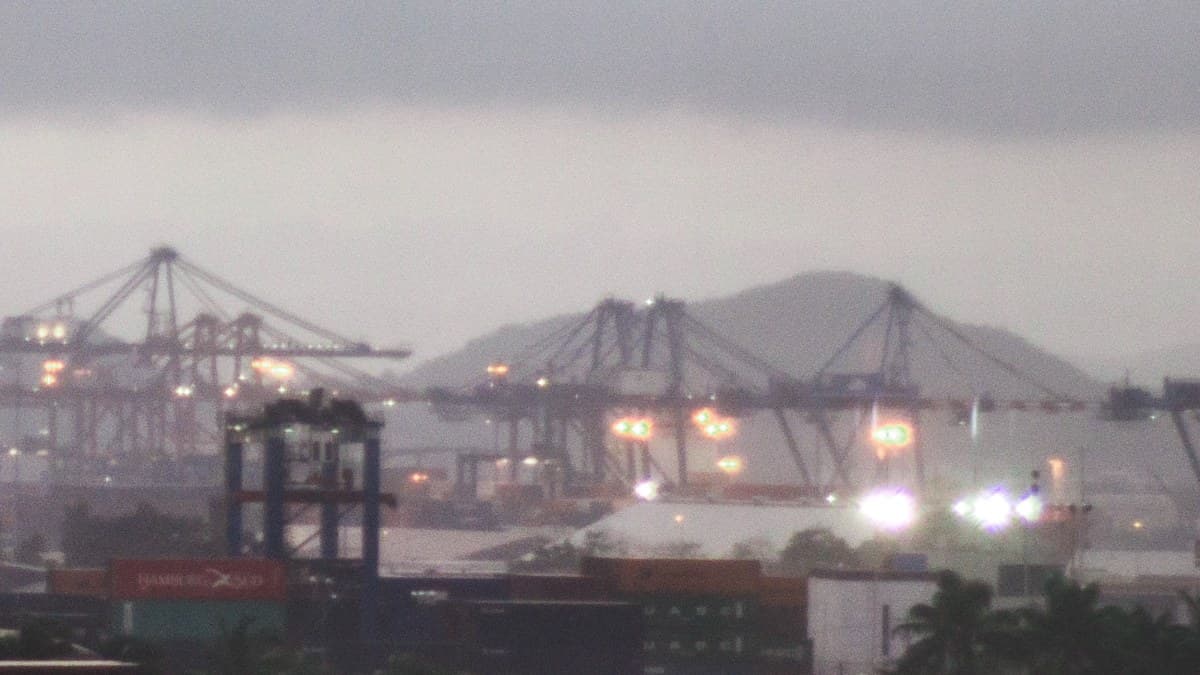
Sources: Clark Hill (Mexico 2026 tariff increase), deminimislaw.com (Mexico MFN tariff reform), Camtom (IGI/IVA/DTA), icontainers (general duty range), U.S. International Trade Administration (16% IVA). Photo: "Puerto de Manzanillo", Wikimedia Commons, CC BY-SA 4.0.

By
Dexpell LogisticsInternational Logistics & Trade
Dexpell Logistics is an international freight forwarding company offering sea, air and road transport, project logistics and trade consulting across 90+ countries. The news, guides and analyses on this blog are produced by the Dexpell expert team.
Dexpell is here for your logistics needs
Sea, air, and road freight, project logistics, and trade consulting across 90+ countries.
