
Current alternative shipping options from Turkey to the Gulf amid Strait of Hormuz tensions: road, air, charter and sea rerouting explained.
If Ocean Service Is Limited, How Can I Ship to the Gulf?
Normal ocean freight routes from Turkey to the UAE, Qatar, Kuwait, Bahrain, and Iraq have at times been limited or unpredictable due to tensions in the Strait of Hormuz. In this situation, the practical ways to ship your cargo are: direct road freight (especially for Iraq via the Habur border crossing), scheduled air freight, charter cargo aircraft for urgent or high-volume shipments, ocean freight via Jeddah with onward routing, and multimodal combinations of these methods. Which method suits you best depends on the destination country, cargo type, urgency, and current carrier capacity. This page explains the currently feasible options for each Gulf country separately.
Last Updated: August 10, 2026 — Conditions in the region can change quickly; we recommend confirming current routing and capacity with Dexpell before shipping.
Why Routing Has Changed
Throughout 2026, tensions in the Strait of Hormuz have pushed war-risk insurance premiums for vessels well above normal levels; on some lanes, premiums have risen to 3-10% of a ship's hull value (compared to roughly 0.25% before the crisis). This cost increase has made many carriers cautious about scheduling services to the region, and some lines have been temporarily suspended or limited. A similar picture exists on the Red Sea and Suez Canal side: the canal remains open and operating, but throughput is running 50-60% below pre-2024 levels, and most Asia-Europe vessels still prefer the route around the Cape of Good Hope. These conditions make it difficult to predict transit time or quote a fixed freight rate for shipments planned from Turkey to the Gulf.
Current Alternative Transport Methods (Overview)
Road Freight (FTL/Partial): An especially effective and already heavily used method for Iraq; for other Gulf countries, road-connected solutions via Saudi Arabia can be considered. Scheduled Air Freight: Turkish Cargo operates regular flights from Istanbul to the region as a major operator; regional carriers such as Qatar Airways Cargo and Emirates SkyCargo are also expanding freighter capacity. Charter Cargo Aircraft: For urgent or high-volume/heavy shipments, charter can be considered subject to availability; this is generally not a routine service but a project-based solution. Ocean via Jeddah + Onward Routing: Ocean freight from Turkey to Jeddah, followed by trucking across Saudi Arabia or transshipment via ports such as Salalah/Khor Fakkan to the Gulf, remains possible; however, Jeddah port has been reported as significantly congested in mid-2026 (yard utilization around 90%, some vessels facing berth waits exceeding 20 days), so this route should not be assumed to be a fast fix on its own. Multimodal Combinations: Depending on cost, urgency, and cargo type, sea+road or air+road combinations can offer the optimal solution.
Europe-to-Gulf Transit via Turkey
This alternative-routing need isn't limited to Turkish-origin exporters — it's also relevant for exporters shipping from Europe to these same Gulf destinations. Thanks to Turkey's road, rail (Middle Corridor), sea, and air connections, cargo originating in Europe can be consolidated through Turkey and routed onward to the Gulf. Dexpell can provide operational support for collecting cargo from European suppliers and transiting it through Turkey to Gulf destinations.
Alternative Shipping Options to the UAE (Dubai / Jebel Ali)
For shipments to the United Arab Emirates, current alternatives include scheduled air freight (regular flights to Dubai Al Maktoum and Dubai International airports), charter cargo aircraft for urgent shipments, and ocean freight with transshipment via Jeddah or Oman's Salalah/Khor Fakkan ports. Carriers are routing cargo bound for Kuwait, Iraq, Qatar, Bahrain, and the UAE via Salalah and Khor Fakkan, then landbridging to Sharjah and connecting through the regional feeder network to final destinations. Cost factors include elevated insurance premiums, the number of transshipments, and the selected Incoterm; we recommend requesting a current quote for exact freight rates and transit times.
Alternative Shipping Options to Qatar (Hamad Port / Doha)
A similar picture applies to Qatar: scheduled air freight (Qatar Airways Cargo's large fleet and growing capacity is an advantage), charter options for urgent shipments, and ocean routing via Salalah/Khor Fakkan transshipment stand out among the alternatives. Direct sailing frequency to Hamad Port can fluctuate during periods of tension, so confirming the current schedule is important.
Alternative Shipping Options to Kuwait (Shuwaikh / Shuaiba Ports)
For Kuwait, road freight (via Saudi Arabia, subject to feasibility), scheduled air freight, and ocean routing via Salalah/Khor Fakkan transshipment are practical options. Direct sailing frequency to Kuwait's Shuwaikh and Shuaiba ports can decrease during periods of tension, so transshipment routes are often preferred.
Alternative Shipping Options to Bahrain (Khalifa Bin Salman Port)
Bahrain is a relatively smaller-volume market, so shipments are typically routed via the UAE or Saudi Arabia; scheduled air freight and sea+road combinations via Jeddah/Salalah are among the most practical options.
Road Freight to Iraq: The Habur Border Crossing Advantage
Iraq is in a different position from the other four countries on this list: most Turkey-Iraq trade already moves overland via the Habur (İbrahim Halil) border crossing at Şırnak/Silopi, independent of the Hormuz situation. In the first half of 2026, Turkey's exports to Iraq reached $4.97 billion, and 525,439 heavy vehicles (trucks) crossed via Habur; on August 7, 2026, a daily record of 2,454 truck departures was set. This data shows that road freight to Iraq is both an existing and a strengthening option — a significant advantage compared to sea routes affected by Hormuz tensions.
Customs and Transit Considerations
Regardless of the routing used, standard export documents (commercial invoice, packing list, certificate of origin, transport document) are required in every case. Transshipment routes (e.g., via Jeddah or Salalah) may require additional transit documentation or destination-specific import permits; for road shipments to Iraq, customs processing at the Habur border crossing and TIR carnet procedures are standard. Since current customs requirements can vary by product and route, we recommend confirming with Dexpell before shipping.
Dexpell Operational Support
Dexpell provides customers with real-time alternative routing recommendations based on current route and capacity information; this support includes charter cargo coordination, multimodal transport planning, customs and transit document preparation, and organizing regular road freight to Iraq via Habur. To adapt quickly to changing conditions, Dexpell's operations team continuously monitors current carrier and routing information.
Get Your Current Alternative Route and Freight Rate
Get Your Current Alternative Route and Freight Rate: share your origin, destination, commodity, weight, dimensions, pallet/container quantity, Incoterm, and required delivery date at https://www.dexpell.com/en/quote to receive the most suitable current routing and rate information.
Frequently Asked Questions
If ocean service is unavailable or limited, how can I ship to the Gulf?
Road freight (especially for Iraq via Habur), scheduled air freight, charter cargo aircraft for urgent shipments, ocean routing via Jeddah/Salalah transshipment, and combinations of these methods are practical alternatives; the best option depends on the destination country and cargo type.
Have all ocean carriers stopped service to the Gulf?
No, the situation varies by carrier and by lane; some services continue on a limited or selective basis, while others have rerouted via alternative transshipment ports such as Salalah/Khor Fakkan. We recommend confirming the current status before each shipment.
Is shipping via Jeddah still possible?
Yes, but Jeddah port has experienced significant congestion in mid-2026 (long berth waits and delayed container pickup); transshipment via Salalah/Khor Fakkan can often be a more predictable alternative as a result.
Is road freight to Iraq available?
Yes, most Turkey-Iraq trade already moves overland via the Habur (İbrahim Halil) border crossing and reached record volumes in 2026; this is a strong, existing option independent of the Hormuz tensions.
When does charter cargo aircraft make sense?
For urgent deliveries or high-volume/heavy cargo, charter can be considered subject to availability; this is not a routine service but a project-based solution that requires advance planning.
Why is the freight cost variable?
Factors such as insurance (war-risk premiums), number of transshipments, routing, cargo type, and Incoterm affect cost; since conditions change quickly, we recommend requesting a current quote rather than relying on a fixed price.
Can cargo from Europe be shipped to the Gulf via Turkey?
Yes, cargo originating in Europe can be routed to the Gulf via Turkey's road, rail, sea, and air connections; Dexpell provides operational support for this consolidation and transit process.
How often is this information updated?
Because conditions in the region can change rapidly, this page is reviewed regularly; we recommend contacting Dexpell for the most current routing and capacity information before shipping.
What documents are required?
A commercial invoice, packing list, certificate of origin, and transport document are standard; transshipment routes may require additional transit documentation.
How does Dexpell provide current routing recommendations?
Dexpell's operations team tracks current developments among carriers, ports, and the insurance market to share the most suitable routing and estimated freight information for each shipment.
Related Services & Related Articles
For more on regional alternative routing, see these Dexpell resources: Syria Road Freight 2026 (https://www.dexpell.com/tr/media/blog/suriye-karayolu-tasimaciligi-2026), Global Trade Risks (https://www.dexpell.com/tr/media/blog/global-trade-risk), Supply Chain Resilience (https://www.dexpell.com/tr/media/blog/supply-chain-resilience), US Customs Clearance Service (https://www.dexpell.com/tr/media/blog/amerika-gumrukleme-hizmeti), DDP Shipping to the US (https://www.dexpell.com/tr/media/blog/amerika-ya-ddp-gonderi), MBL vs HBL: Understanding the Difference (https://www.dexpell.com/tr/media/blog/mbl-vs-hbl), and Cold Chain Logistics (https://www.dexpell.com/tr/media/blog/cold-chain-logistics).
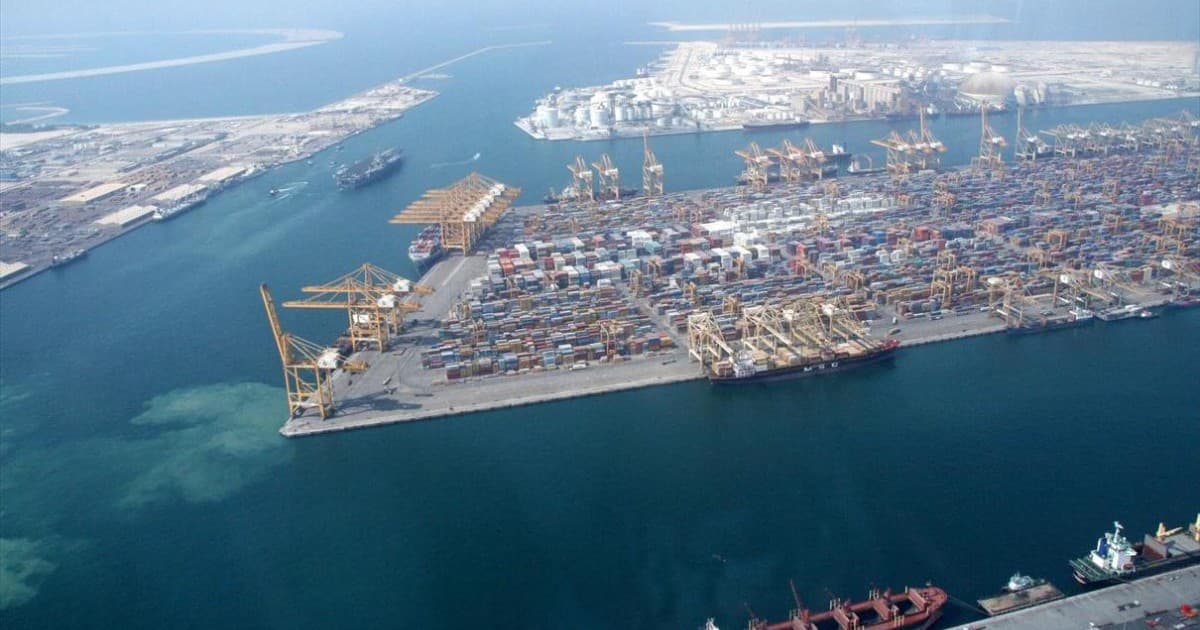
Cover photo: Imre Solt, Wikimedia Commons (CC BY-SA 3.0) — Jebel Ali Port, UAE.

By
Dexpell LogisticsInternational Logistics & Trade
Dexpell Logistics is an international freight forwarding company offering sea, air and road transport, project logistics and trade consulting across 90+ countries. The news, guides and analyses on this blog are produced by the Dexpell expert team.
Dexpell is here for your logistics needs
Sea, air, and road freight, project logistics, and trade consulting across 90+ countries.
