
A guide for exporters shipping cargo from Europe to Syria via Turkey — road, sea and air options, current border and port status, customs process and how to request a freight quote.
How to Ship Cargo from Europe to Syria
Direct scheduled freight services from Europe to Syria remain limited, so most cargo is routed through Turkey using a combination of road, sea and air transport. European-origin shipments typically move to Turkey first, then cross into Syria via the Cilvegözü (Bab al-Hawa) and Öncüpınar (Bab al-Salameh) land border crossings, or by sea through the ports of Latakia and Tartus. Last Updated: August 24, 2026 — border, port and sanctions conditions can change quickly, so we recommend confirming current routing status with Dexpell close to your shipping date.
Europe-to-Syria Connections via Turkey
Turkey's geographic position and developed road, sea and air infrastructure make it a practical transit and consolidation point for cargo originating in Europe.
Road Connections
The Cilvegözü (Bab al-Hawa) border crossing in Hatay is undergoing capacity expansion through 2026, with the crossing yard growing from 17 to 23 dunams and lanes doubling from two to four; transit trade through this gate also continues toward Iraq, Kuwait, Lebanon, Saudi Arabia and Jordan. The Öncüpınar (Bab al-Salameh) crossing near Kilis is also under service-building construction. Cargo arriving from Europe by truck can move through these crossings into northern Syria by road.
Sea Connections
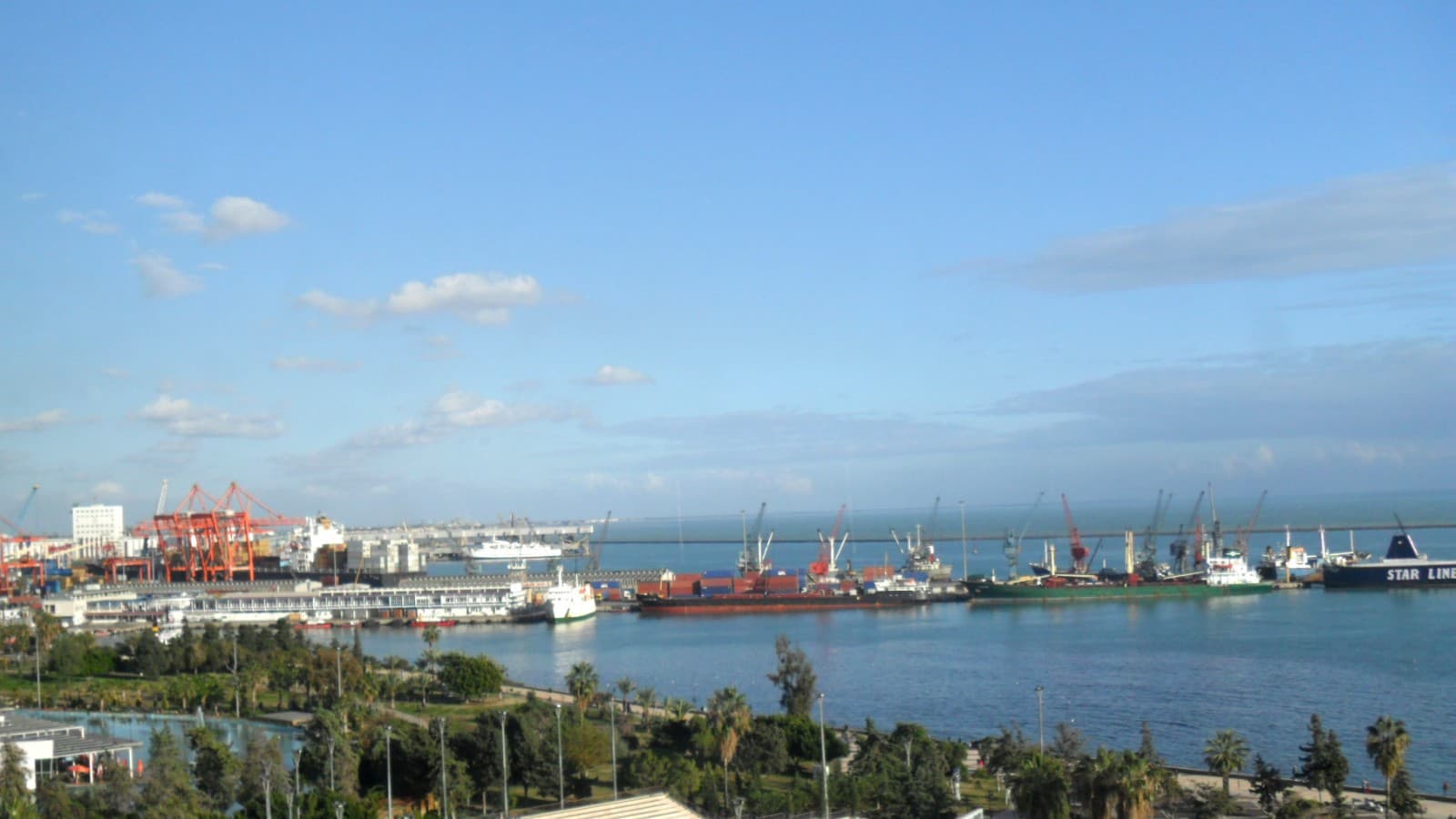
Latakia and Tartus together received close to 945 vessel calls and handled nearly 8 million metric tons of cargo in the first half of 2026. Tartus is being redeveloped under a 30-year, 800 million dollar deal with UAE-based DP World, which has raised monthly handling capacity from 100,000 to 1 million tons; Latakia is being modernized under a separate 30-year agreement with France's CMA CGM. Containers arriving at Turkey's Mediterranean ports, such as Mersin, from Europe can be transshipped onward to Latakia or Tartus.
Air Connections
Cargo operations at Damascus International Airport are gradually normalizing, though scheduled freighter frequency has not yet reached levels typical of the European air cargo market. For urgent or sensitive shipments, transshipment air freight via Istanbul, and charter options where needed, remain viable alternatives.
Why Routing Through Turkey Makes Sense
Using Turkey as a transit point gives European exporters the flexibility to combine road, sea and air transport under a single logistics organization. The scale of Turkey-Syria trade itself reflects how functional this corridor has become: Turkish exports to Syria rose 26.4% year-on-year in the first half of 2026 to 1.28 billion dollars, with export volume by weight up 36.6% to 3.18 million tons. The Turkey-Syria Joint Economic and Trade Committee (JETCO), established in August 2025, and ongoing talks toward a Comprehensive Economic Partnership Agreement (CEPA), point to further growth in this trade corridor.
Shipping Cost: What Determines the Price
Freight cost for Europe-to-Syria shipments depends on cargo type, chargeable weight and volume, transport mode (road, sea or air), the Incoterm used (EXW, FCA, DDP, etc.), border and customs processing time, insurance premiums, and transshipment or handling costs in Turkey. Because the current sanctions environment can cause insurance and freight costs to fluctuate, we recommend sharing your shipment details for a current quote rather than relying on a fixed rate.
Transit Time & Delivery Timeline
Transit time varies with the transport mode chosen, congestion at the border crossing, port waiting times, and customs clearance duration. Road shipments are most affected by border-crossing congestion, while sea shipments depend on port berth availability. Rather than a fixed delivery date, we provide a realistic timeline based on your specific route at the quote stage.
Required Documents & Customs Clearance
Typical documentation for Europe-to-Syria shipments includes the commercial invoice, packing list, certificate of origin, transport document (CMR, bill of lading or air waybill), and product-specific certificates such as health or phytosanitary documents where applicable. Sanctioned product categories, including military goods, dual-use technology, luxury goods and precious metals, remain subject to additional controls and restrictions, so verifying product classification before shipment is essential.
Delivery Coverage in Syria
Cargo routed through Turkey can reach Syria's main trade centers, including Damascus, Aleppo, Latakia and Tartus. Current road conditions and security considerations for each area are assessed separately before each shipment.
Why Choose Dexpell
Dexpell consolidates European cargo through its Turkey-based operations and routes it into Syria using road, sea and air combinations. This includes customs documentation coordination, border-crossing tracking, port transshipment organization and up-to-date routing information. As an IATA-registered cargo agent in Turkey, Dexpell also has access to competitive capacity for transshipment air freight via Istanbul.
Get a Freight Quote for Your Syria Shipment
Request a Current Freight Quote for Europe to Syria: https://www.dexpell.com/en/quote — Share your origin, destination, cargo type, weight, volume, Incoterm and required delivery date.
For Syria shipment requests, you can also email us directly at info@dexpell.com.
FAQ
What transport methods are available from Europe to Syria?
Road (via Turkey's border crossings), sea (via the ports of Latakia and Tartus), and air (via transshipment through Istanbul) are all used, with the mode selected based on cargo type and urgency.
What is the advantage of routing through Turkey?
Turkey's developed road, sea and air infrastructure allows European cargo to be consolidated at a single point and routed into Syria via the most suitable option.
Which land border crossings into Syria are open?
The Cilvegözü (Bab al-Hawa) and Öncüpınar (Bab al-Salameh) crossings are both operational and undergoing capacity expansion during 2026.
Are the ports of Latakia and Tartus currently operating?
Yes. Both ports are active, with rising vessel traffic and cargo volume in 2026; Tartus is operated by DP World and Latakia by CMA CGM.
What is the current sanctions status for trade with Syria?
The EU lifted most sanctions in May 2025 and the US in July 2025, but targeted restrictions remain on individuals linked to the former regime, military goods and dual-use technology. We recommend verifying product and counterparty status before shipping.
How long does transit take?
Transit time depends on the transport mode, border and port congestion, and customs processing. Share your shipment details in a quote request for a realistic timeline.
How is freight cost calculated?
Cost is based on cargo weight and volume, transport mode, Incoterm, insurance, and current market conditions. Request a current quote for accurate pricing.
Does Dexpell offer DDP service?
Yes, door-to-door delivery inclusive of duties (DDP) can be arranged on request.
What documents are required?
Core documents include the commercial invoice, packing list, certificate of origin and transport document; additional certificates may be required depending on the product.
How do I submit a shipment request for Syria?
You can complete the quote form at https://www.dexpell.com/en/quote or email your request directly to info@dexpell.com.
Related Services & Related Articles
https://www.dexpell.com/tr/media/blog/suriye-karayolu-tasimaciligi-2026
https://www.dexpell.com/tr/media/blog/turkiyeden-korfez-ulkelerine-alternatif-nakliye-rotalari
https://www.dexpell.com/tr/media/blog/turkiyeden-bahreyn-e-alternatif-tasima-secenekleri
https://www.dexpell.com/tr/media/blog/cin-ddp-tasima
Sources: EU Council (consilium.europa.eu), Sidley Austin, SANA (sana.sy), Daily Sabah, Enab Baladi, Trading Economics. Photo: Nedim Ardoğa, Mersin Harbor, CC BY-SA 3.0 (Wikimedia Commons).

By
Dexpell LogisticsInternational Logistics & Trade
Dexpell Logistics is an international freight forwarding company offering sea, air and road transport, project logistics and trade consulting across 90+ countries. The news, guides and analyses on this blog are produced by the Dexpell expert team.
Dexpell is here for your logistics needs
Sea, air, and road freight, project logistics, and trade consulting across 90+ countries.
