
Turkey to South Africa FCL, LCL and air freight: Durban and Cape Town gateways, freight cost drivers, transit time, SARS customs and 15% import VAT.
Last Updated: 18 October 2026
How do you ship from Turkey to South Africa?
Shipping from Turkey to South Africa is mainly done by ocean freight (FCL and LCL containers) for commercial cargo, and by air freight from Istanbul for urgent or lightweight shipments. Durban is the main gateway, with Cape Town and the Eastern Cape ports of Gqeberha (Port Elizabeth) and Ngqura as alternatives. Cargo for Johannesburg and Gauteng usually lands in Durban and moves inland by road or rail. Freight cost depends on container type, volume and weight, origin port, transshipment routing, Incoterm and destination-side customs and inland haulage. This guide covers the cost drivers, transit-time factors, the 2026 congestion at Durban's container terminal and SARS customs requirements, and shows how to get a current quote for your cargo.
What shipping options are available between Turkey and South Africa?
FCL container shipping (20ft and 40ft)
For machinery, building materials, ceramics, furniture and palletized industrial goods, a full container is usually the most economical choice. Containers loaded at Turkish ports such as Mersin, Ambarli, Izmir (Aliaga) and Gemlik reach Durban, Cape Town or Ngqura via one or more transshipment hubs, depending on the carrier's service. Heavy cargo usually suits a 20ft; bulky cargo a 40ft or 40ft HC.
LCL consolidated shipping
For a few pallets, sharing a container lowers cost. LCL is typically charged per cubic metre or by weight, whichever is higher, with destination devanning and warehouse charges on top. When Durban's terminal is congested, release of LCL cargo from the consolidation warehouse can also be delayed.
Air freight
Air freight makes sense for spare parts, samples, textile collections, electronics and urgent machine components. Turkish Airlines offers belly-hold capacity on passenger flights between Istanbul and Johannesburg (O.R. Tambo) and Cape Town; frequency and capacity can vary by season, so the current schedule is confirmed at booking. Johannesburg is the country's main air cargo hub.
Door-to-door, DAP and DDP
Dexpell can collect from your factory in Turkey and deliver to the buyer's warehouse in South Africa. If you want to ship DDP, note this: under SARS rules, a foreign company importing into South Africa must appoint a registered agent in South Africa that accepts liability on its behalf. A DDP quote is therefore issued once the importer registration and agent set-up are clear; for most commercial shipments, DAP with the buyer's own customs broker is more practical.
Project cargo and heavy lift
For out-of-gauge cargo such as mining equipment, energy-project components and production-line machinery, we plan flat rack, open top or break bulk options with dedicated port-to-site transport.
Not sure which option fits? Describe your cargo and we will compare the alternatives for you: https://www.dexpell.com/en/quote
What determines the cost of shipping from Turkey to South Africa?
We do not quote a fixed rate here, because container prices change frequently with carrier tariffs, fuel surcharges and routing conditions. The main cost drivers are:
Container type and volume: 20ft, 40ft, 40ft HC, or LCL cubic metres.
Weight: container weight limits and South African road axle limits affect heavy cargo.
Origin and destination port: Mersin, Ambarli, Aliaga or Gemlik; Durban, Cape Town or Ngqura.
Routing and transshipment: Red Sea conditions and the carrier's service structure can change transit time and surcharges.
Incoterm: EXW, FCA, FOB, CFR, CIF, DAP or DDP define what the quote includes.
Destination charges: terminal handling, port and storage fees, customs brokerage, and road or rail haulage inland to Johannesburg and other regions.
Taxes: customs duty by HS code and 15% import VAT (a buyer-side cost, included in DDP quotes).
Season and surcharges: peak season, bunker (BAF), congestion surcharges and insurance.
How long does shipping from Turkey to South Africa take?
For ocean freight from Turkey to South Africa, the industry often quotes a general range of 30–50 days, but that is only a rough guide. Actual transit depends on the origin port, number of transshipments, vessel cut-off, routing and waiting time at the destination port. For door-to-door planning, add a few days for pickup and export clearance in Turkey, plus time for import clearance and inland delivery.
2026 note – congestion at Durban: the Durban Gateway Terminal, operated by ICTSI since January 2026, reported serious delays after its terminal operating system cut-over in mid-August, with industry sources reporting vessel waits measured in days. In early October 2026 South Africa's Transport Minister called for a clear plan to clear the backlog. For Durban-bound cargo we recommend building a buffer into your schedule and, where it makes sense, considering Cape Town or Ngqura. We confirm the current situation with carriers when quoting.
Airport-to-airport air freight usually takes a few days; door-to-door time is longer depending on customs clearance and the delivery address.
Want a route and transit-time comparison for your own cargo? https://www.dexpell.com/en/quote
Which South African ports and airports matter for Turkish exporters?
Durban: the largest and busiest container port in sub-Saharan Africa and the main sea gateway for Johannesburg/Gauteng.
Cape Town: serves the Western Cape, food and consumer goods.
Gqeberha (Port Elizabeth) and Ngqura: close to the Eastern Cape automotive cluster.
O.R. Tambo (Johannesburg): the country's main air cargo hub.
Cape Town International: the second key air cargo gateway, for the Western Cape.
What does Turkey export to South Africa?
Machinery and industrial equipment
Food-processing, packaging, construction and mining machinery are among the most common commercial loads. Proper lashing, moisture protection and the right container type are critical for machinery shipments.
Automotive parts
South Africa's vehicle production in the Eastern Cape and Gauteng creates steady demand for Turkish automotive components. Urgent line-side needs move by air; regular flows by FCL or LCL.
Textiles, apparel and home textiles
Fabrics, yarn and garments move regularly. Duties on apparel can be relatively high, so correct HS classification and declared value directly affect landed cost.
Furniture, ceramics and building materials
Bulky furniture usually suits a 40ft HC, while heavy ceramics and natural stone are typically more efficient in a 20ft.
Which documents and customs rules apply to imports into South Africa?
Commercial invoice and packing list
Bill of lading (B/L) or air waybill (AWB)
Certificate of origin (when requested by the buyer or required for the product)
Turkish export declaration
Product-specific documents: an ITAC import permit or NRCS Letter of Authority for certain goods
Importer registration: SARS requires anyone importing goods, local or foreign, to be registered as an importer; the importer code is used on the customs declaration. Foreign importers must appoint a registered agent in South Africa.
VAT and duty: import VAT in South Africa is 15%. For goods from outside SACU, the VAT base is the customs value plus a 10% uplift plus any non-rebated customs duty. Duty rates vary by HS code and should be confirmed in the SARS tariff book for your product.
Restricted goods: the SARS prohibited and restricted imports list is updated frequently (for example, tariff headings were added and removed in March 2026). Some product groups, such as certain electrical goods, automotive components and used vehicles, may need NRCS or ITAC approval. We check whether your product is affected before loading.
What does Dexpell handle on a Turkey–South Africa shipment?
Pickup from any city in Turkey, export customs coordination, FCL and LCL container booking, air freight booking as an IATA cargo agent, coordination with destination customs brokers and agents, door delivery from Durban or Cape Town to the consignee's warehouse, cargo insurance and project cargo planning. During congestion at Durban, we present alternative port and routing options side by side at the quotation stage.
Get your Turkey–South Africa freight quote
To receive current freight rates and transit time, complete the form with origin city, destination city (Durban, Johannesburg, Cape Town, etc.), commodity, gross weight, dimensions or CBM, container type and preferred Incoterm. Request a Turkey–South Africa Shipping Quote: https://www.dexpell.com/en/quote
You can also send your freight request to info@dexpell.com.
Frequently Asked Questions
How much does it cost to ship a container from Turkey to South Africa?
The price depends on container type, origin and destination port, routing, surcharges and destination charges. Because carrier tariffs change frequently, we prepare a current quote for your specific cargo rather than publishing a fixed figure.
How long does sea freight from Turkey to Durban take?
A general range of 30–50 days is often quoted, but the number of transshipments and routing change this. In 2026, it is wise to allow extra time because of congestion at Durban's container terminal.
How is cargo delivered to Johannesburg?
Ocean cargo usually arrives at Durban and moves to Johannesburg by road or rail. Urgent cargo can fly from Istanbul directly to O.R. Tambo airport.
Can I ship DDP to South Africa?
Yes, but under SARS rules a foreign importer must appoint a registered agent in South Africa. We plan the DDP structure once importer registration is clear; for many shipments, DAP is more practical.
What is the import VAT rate in South Africa?
Import VAT is 15%, applied for non-SACU goods to the customs value plus a 10% uplift plus customs duty. Customs duty varies by HS code.
Which products need special permits?
Certain tariff headings require an ITAC import permit or an NRCS Letter of Authority, and SARS updates the list frequently. Share your HS code and we will check before loading.
Which Turkish ports are used?
Depending on your factory location and carrier services, we use Mersin, Ambarli, Izmir (Aliaga) or Gemlik.
Can you ship machinery and project cargo?
Yes. For out-of-gauge machinery we arrange flat rack, open top or break bulk solutions plus dedicated on-carriage from the port.
Related Services and Articles
Ocean freight: https://www.dexpell.com/en/services/deniz-yolu
Air freight: https://www.dexpell.com/en/services/hava-yolu
Shipping from Turkey to Kenya: https://www.dexpell.com/en/media/blog/shipping-from-turkey-to-kenya
Shipping from Turkey to Tanzania: https://www.dexpell.com/en/media/blog/shipping-from-turkey-to-tanzania
Shipping from Turkey to Nigeria: https://www.dexpell.com/en/media/blog/shipping-from-turkey-to-nigeria
Shipping from Turkey to Ghana: https://www.dexpell.com/en/media/blog/shipping-from-turkey-to-ghana
Shipping from Turkey to Egypt: https://www.dexpell.com/en/media/blog/shipping-from-turkey-to-egypt
Alternative shipping routes from Turkey to the Gulf: https://www.dexpell.com/en/media/blog/alternative-shipping-routes-turkey-to-gulf
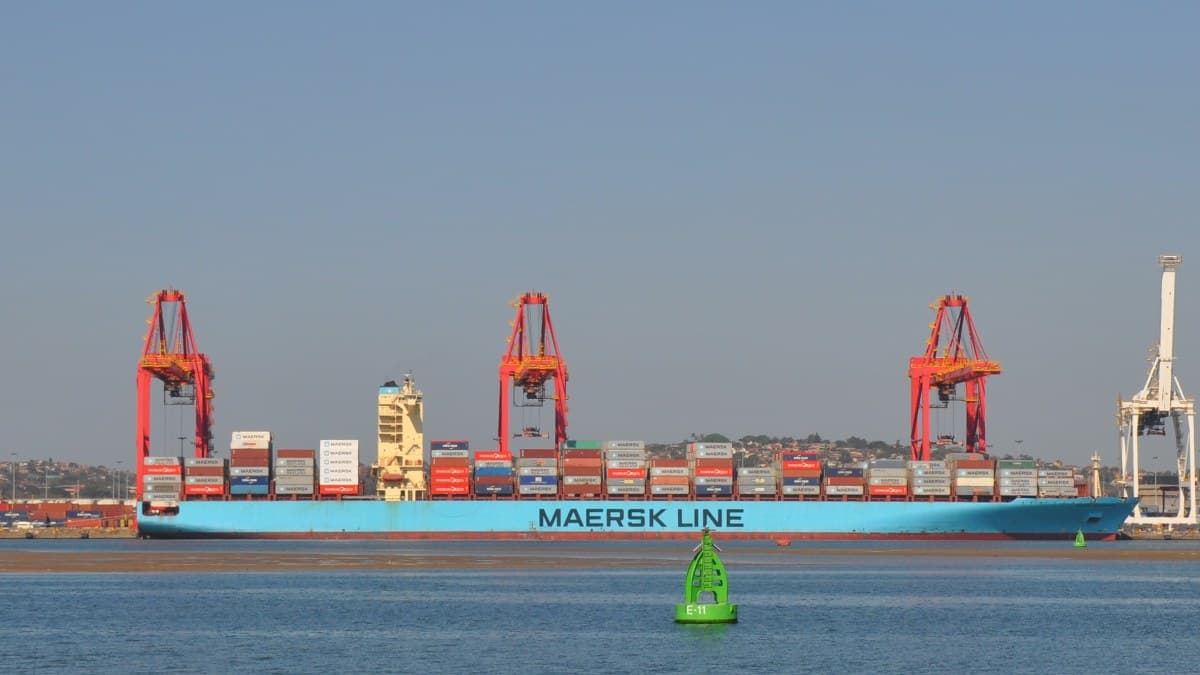
Image: Durban container terminal – Pechristener, Wikimedia Commons, CC BY-SA 3.0 (cropped).

By
Dexpell LogisticsInternational Logistics & Trade
Dexpell Logistics is an international freight forwarding company offering sea, air and road transport, project logistics and trade consulting across 90+ countries. The news, guides and analyses on this blog are produced by the Dexpell expert team.
Dexpell is here for your logistics needs
Sea, air, and road freight, project logistics, and trade consulting across 90+ countries.
